

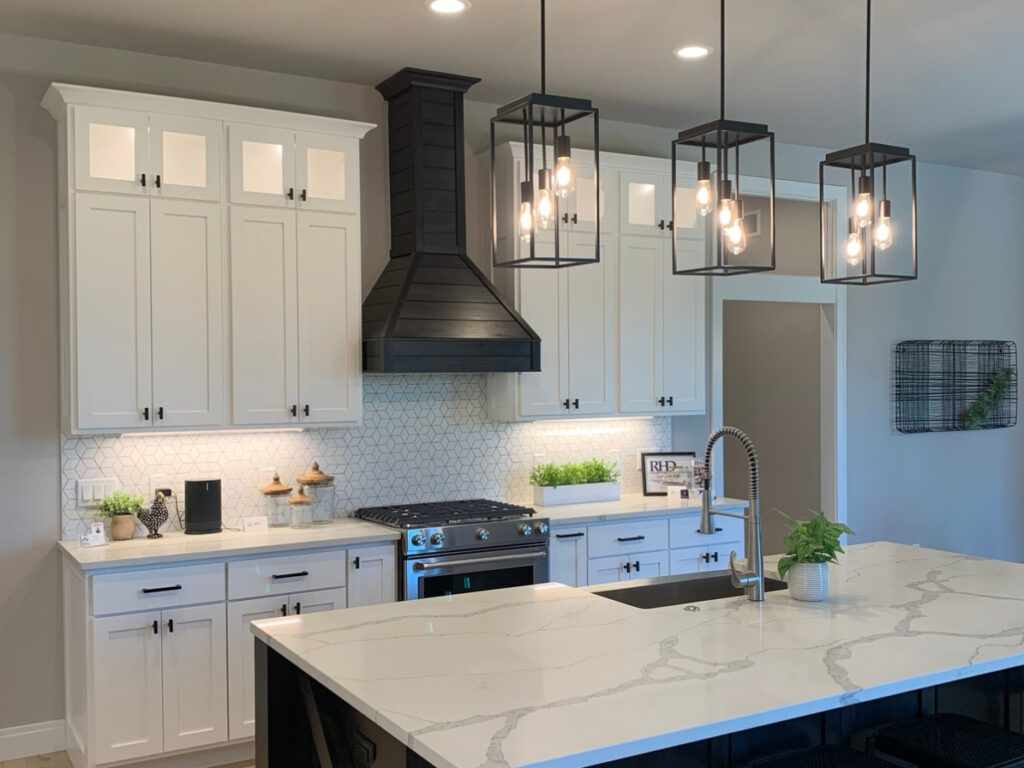
Replacing kitchen cabinets is expensive, and keeping tired ones can make the whole room feel dated. Cabinet painting gives you another option when the cabinet boxes are still in good condition, so it helps to know the cabinet painting cost before you start collecting quotes.
At Cloute, cabinet painting typically runs about $2,500 to $4,000 for a small kitchen. Medium kitchens run $4,000 to $6,000, and large kitchens start at $6,000. Those ranges are the starting point, and the rest of this guide explains why a kitchen lands where it does.
We paint a lot of cabinets, and cabinet estimates can be harder to compare than wall-painting estimates because the scope can vary so much from one kitchen to another. This guide covers what a price may include, the preparation behind it, and how to compare estimates. For more on our interior work, see our page on cabinet and interior painting.
How Much Does Cabinet Painting Cost at Cloute?
Kitchen cabinet painting cost depends mostly on how much prep and finishing is needed. At Cloute, kitchen size works as shorthand for labor hours, which reflect the overall amount of cabinetry, doors, drawer fronts, frames, islands, and other painted surfaces involved. Our process stays the same on every kitchen, so the price follows the size and scope of the project. Our ranges run from $2,500 for a small kitchen to $6,000 and up for a large one, and each is a starting point until we see your kitchen.
Small Kitchen: $2,500 to $4,000
A small kitchen is one that takes up to about 45 hours of labor. It has the least cabinetry to prepare and finish, which keeps it at the low end of our pricing. Fewer doors and drawers mean fewer surfaces to work through. Condition still matters. Cabinets that need extra repair or prep can push even a small kitchen toward the top of its range.
Medium Kitchen: $4,000 to $6,000
A medium kitchen runs about 45 to 60 hours of labor. Step up to a medium kitchen and there is more cabinetry to prepare and finish, which takes more time. More cabinet runs, doors, and drawers mean more surfaces, and the price moves up with them. Details such as side panels or a pantry cabinet can add to the count.
Large Kitchen: $6,000 and Up
A large kitchen takes 60 hours of labor or more, so its pricing starts at $6,000 and climbs from there. Large kitchens vary the most from one home to the next. In general, an island, built-ins, or extra cabinet runs add surface to prepare and finish. A two-tone design adds setup on top of that. Those are common examples of what can push a large kitchen higher.
Kitchens do not always fit neatly into one size, so a walkthrough turns these ranges into an exact quote.
What Does Cabinet Painting Include?
Every Cloute cabinet project follows the same process, whatever the size of the kitchen. The size and scope of the job change the labor hours, and the steps stay the same.
That process includes cleaning and sanding the cabinet boxes and frames. We remove and label the doors and their hardware, prime every surface to be painted with an extreme bonding primer, and fill any divots or holes that need repair. Two coats of top coat paint go on next, and we hang all the doors and hardware when the work is done.
How Other Quotes May Differ
Other cabinet painting quotes can be structured in different ways. One estimate may cover doors and drawer fronts, while another may also include boxes, frames, side panels, an island, or cabinet interiors. That is one reason two estimates for the same kitchen can look so different, and it is worth comparing scope carefully.
Beyond the surfaces themselves, a quote may or may not cover removing and reinstalling hardware, filling holes and divots, or painting more than one color.
When you get an estimate from us, ask about any surfaces you want included, such as cabinet interiors, islands, and side panels, and compare any other quote the same way.
What Affects the Cost of Cabinet Painting?
Kitchen size gives us a starting point, but it does not tell the whole story. Two kitchens with a similar footprint can land in different price ranges depending on the amount of cabinetry, the condition of the existing finish, and how much work is needed before the new finish goes on.
Amount of Cabinetry
The more cabinet surfaces, the longer the project takes. Doors, drawer fronts, frames, islands, and built-ins add individual pieces that need careful preparation and finishing.
That is why the amount of cabinetry matters more than the room’s square footage. A relatively compact kitchen with a lot of doors and drawers may involve more work than a larger kitchen with a simpler layout.
Condition of the Cabinets
Cabinets in good shape generally need less prep work before painting. Worn finishes, grease buildup, scratches, chips, and older coatings can all add preparation time.
Kitchen cabinets near the stove or other high-use areas often see the most wear, so we focus on surface condition, not just how the cabinets look from across the room.
Repairs
Small repairs can become part of the prep before painting begins. Chips, dents, damaged areas, or holes left behind by a hardware change may need to be addressed so the new finish has a sound surface underneath it. At Cloute, we fill any divots or holes that need repair as part of the process.
The more repair work a kitchen needs, the more labor goes into getting the cabinets ready for paint.
Number of Colors
Color choices can affect the amount of setup involved. A two-tone kitchen or an island painted in a different color may require additional masking, materials, and labor compared with using one color throughout.
That does not automatically make a second color a major cost increase, but it is one of the details worth discussing when the estimate is put together.
Paint Quality and Product System
The paint line and product system matter, but they are only one piece of the total price. In our experience, labor and preparation usually have a bigger impact on cabinet painting cost than the paint itself.
A good estimate should tell you which primer and paint products are included so you can make a fair comparison between quotes instead of looking at the final number alone.
Scope of the Project
The final price also depends on exactly what you want painted. Cabinet interiors, islands, side panels, built-ins, and other details can expand the scope beyond the main doors, drawers, and frames.
It is worth talking through those choices during the estimate so the quote reflects the kitchen you actually want finished, rather than leaving important surfaces as a surprise later.
What Prep Goes Into Painting Kitchen Cabinets?
Kitchen cabinets work harder than walls. They get touched, wiped down, and splattered every day, and the finish has to bond to a surface that was probably made to be smooth. That is why preparation comes first on every cabinet project.
At Cloute, prep means cleaning and sanding both the boxes and the frames, then removing and labeling the doors and their hardware. Every surface that will be painted gets an extreme bonding primer. Cleaning and sanding give the primer something to grip, and cabinet-painting guidance from Sherwin-Williams also emphasizes cleaning, sanding, and priming before finish coats go on.
Priming, Finish Coats, and Curing
The boxes are primed by hand on site, and the doors are sprayed in our shop. Any divots or holes that need repair are filled after priming. Then the finish goes on: two coats of top coat paint, applied by hand to the boxes on site and sprayed on the doors in our shop.
After that, the finish needs time to dry and cure before the kitchen is back in full use. We hang all the doors and hardware when the work is done.
Why Does Cabinet Prep Matter So Much?
Kitchen cabinets are high-touch surfaces. They collect cooking residue, grease, hand oils, and daily wear in a way walls never do, and paint needs a clean, properly prepared surface to stick to.
A successful finish depends heavily on adhesion, which comes from the work done before the first coat goes on. That work is often hands-on and time-consuming, even in a kitchen with a modest footprint.
That is why a cabinet quote can involve substantial labor even though the room itself is small. The price reflects the number of surfaces and the prep each one needs more than the square footage of the kitchen.
Can Every Type of Cabinet Be Painted?
Many kitchen cabinets can be painted, but the material and existing finish make a difference. Wood, laminate, and MDF can each respond differently to preparation and priming, so it helps to know what yours are made of.
Condition matters too. Cabinets do not have to look new before they are painted, but the underlying boxes, doors, and drawer fronts should be in reasonably good structural shape. Scratches, worn finishes, and minor damage may be addressed during prep, while cabinets with significant water damage, warping, or other structural problems may need repair or replacement instead.
That is one reason we want to see the cabinets before giving you a final recommendation. An in-person look helps determine what the cabinets are made of, what is already on the surface, how much preparation they will need, and whether painting is the right investment for the kitchen.
How Can You Compare Cabinet Painting Estimates?
Two cabinet painting quotes can look very different even when they are for the same kitchen. The final number matters, but it only makes sense when you know what each estimate actually includes.
When you compare quotes, look at the details behind the price:
- Surfaces included: Are the doors, drawer fronts, boxes and frames, side panels, and islands all included?
- Cabinet interiors: Does the price include painting inside the cabinets?
- Preparation: What cleaning, sanding, and priming are part of the job?
- Repairs: Are chips, dents, or other damaged areas being addressed before painting?
- Primer and product system: Which primer and paint products are included?
- Finish coats: How many finish coats are planned?
- Hardware: Does the estimate include removing and reinstalling hardware?
- Colors: How many colors are included in the price?
- Cleanup: What does the crew handle when the job is finished?
- Warranty: Is there a warranty, and what does it cover?
It is also worth asking where the work will happen and how long the kitchen is expected to be out of use.
The goal is not necessarily to choose the lowest number. It is to make sure you are comparing the same level of work so you know what you are actually paying for.
Can You Lower the Cost of Cabinet Painting?
If the cabinet painting estimate comes in higher than you expected, there may be ways to bring the price down without cutting corners on the work that matters most. The best place to look is usually the scope of the project rather than the preparation.
Depending on your kitchen, that could mean choosing one color instead of two, limiting additional surfaces, or leaving cabinet interiors out if they are optional. You can also handle other interior painting projects separately instead of adding them to the same job.
Because our process stays the same on every kitchen, the price moves with the labor hours, and scope is where there is room to adjust. We would rather help you simplify the scope than skip important prep. The preparation is what gives the new finish the best chance to hold up well over time.
Get a Cabinet Painting Estimate for Your Kitchen
Every kitchen is a little different, so the best way to know where yours falls within these ranges is to have us take a look. We serve Fort Atkinson and the surrounding area. If you are planning more than the kitchen, our guide to what changes interior painting cost covers the rest of the house.
Call us at (920) 563-4101 or schedule a free estimate. We can look at the amount of cabinetry, its condition, and the scope you have in mind and give you a clear price for the project.
Frequently Asked Questions About Cabinet Painting Cost in Fort Atkinson
Cabinet pricing depends on kitchen size, cabinet condition, and what the job includes. These are the questions we hear most.
Q. How much does cabinet painting cost for a small, medium, or large kitchen?
A. At Cloute, cabinet painting typically costs $2,500 to $4,000 for a small kitchen. A medium kitchen runs $4,000 to $6,000, and a large kitchen starts at $6,000. We can turn those ranges into an exact quote once we see your kitchen.
Q. What does cabinet painting include?
A. At Cloute, every cabinet project includes cleaning and sanding the boxes and frames, removing and labeling the doors and hardware, priming with an extreme bonding primer, filling divots and holes that need repair, two coats of top coat paint, and hanging the doors and hardware. Other quotes may be structured differently, so ask what each one covers.
Q. What affects cabinet painting cost?
A. How much cabinetry there is, its condition, repairs, the number of colors, the paint and product system, and the scope all play a part. Labor and prep are often a larger share of the cost than the paint itself.
Q. Why do cabinet painting quotes vary so much?
A. Quotes vary with how much cabinetry is involved, its condition, the preparation and repairs needed, the number of colors, and what each quote includes. Two quotes can describe very different jobs.
Q. How does Cloute define a small, medium, or large kitchen?
A. At Cloute, size is based on labor hours. A small kitchen takes up to 45 hours, a medium kitchen takes 45 to 60 hours, and a large kitchen takes 60 hours or more. The amount of cabinetry and the scope of the project determine the hours.
Q. What prep goes into painting kitchen cabinets?
A. At Cloute, prep starts with cleaning and sanding the boxes and frames, removing and labeling the doors and hardware, and priming every surface to be painted with an extreme bonding primer. Any divots or holes that need repair are filled before the finish coats go on.
Q. Can all kitchen cabinets be painted?
A. Not always. Different cabinet materials and existing finishes can respond differently to preparation and priming, and an in-person look helps determine whether your cabinets are good candidates for paint.
Q. How long does cabinet painting take?
A. Cabinet painting involves several stages, including prep, priming, coating, drying, and curing, so it takes longer than painting a wall. Ask for a schedule when you get an estimate.
Q. Is cabinet refinishing the same as cabinet painting?
A. Not always. Painting adds a new opaque color, while refinishing is sometimes used to restain or restore a finish. If you are comparing a cabinet refinishing cost to a cabinet painting cost, confirm what work each quote covers.
Q. Can I lower the cost of painting my cabinets?
A. In many cases, yes. If they apply to your project, we would start with options such as the number of colors and the extra surfaces, and we would rather adjust those than trim the preparation.
Q. Do you paint cabinet doors at your shop or on site?
A. Both. We paint the cabinet boxes by hand on site. The doors are removed and labeled, then sprayed in our shop and hung again at the end of the project.
Q. Does Cloute paint kitchen cabinets in Fort Atkinson?
A. Yes, cabinets are among the surfaces we paint, and we do a lot of that work. Tell us about your kitchen at the estimate.