

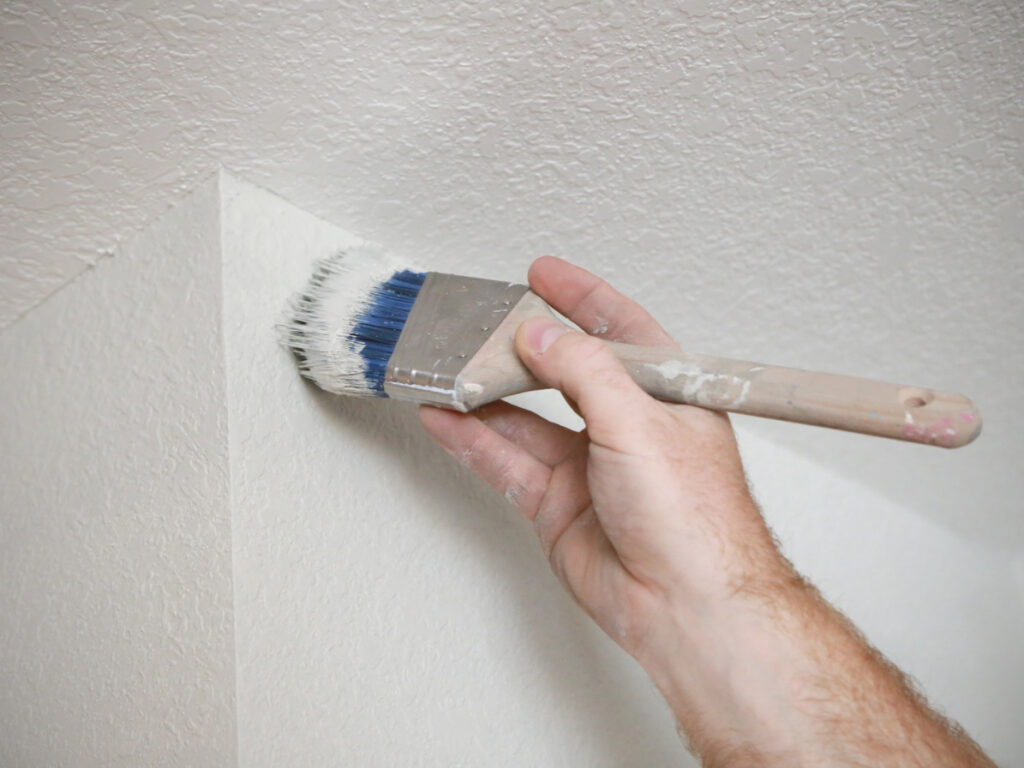
Interior painting cost comes down to a few big factors: how much of the home you’re painting, the condition of the surfaces, and the grade of paint you choose. Paint quality matters, but it often changes the final number less than homeowners expect. For example, on a $10,000 project, choosing our good-grade paint instead of our best can save roughly $1,000.
When comparing interior painting estimates, the total price tells only part of the story. What each quote includes, from prep and repairs to trim, ceilings, and paint grade, can make a big difference in where the numbers land.
In this guide, we’ll break down what changes the cost of interior painting and where there may be room to adjust the scope when you’re working within a budget.
Looking at the outside of your house instead? Our guide to exterior painting cost breaks down pricing by home size.
What Does Good, Better, Best Mean for Interior Painting?
We don’t usually present interior projects to customers as formal ‘good, better, best’ packages, but it’s a useful way to understand the choices that affect price. One is the paint itself, which comes in three grades. The other is the scope of the project, meaning how much of your home we paint and what we do along the way. Both affect the final price, but they do so in different ways.
On the paint side, the grades line up with the Sherwin-Williams lineup we use:
- Good: Sherwin-Williams SuperPaint.
- Better: Sherwin-Williams Duration.
- Best: Sherwin-Williams Emerald.
The second piece is scope, meaning how much of the project you decide to include. Paint grade and scope affect the price in different ways, and scope is often where homeowners have the most room to adjust the budget.
How Much Does Interior Painting Cost at Cloute?
Every home is different, but planning ranges give you a realistic starting point. The first table prices individual rooms, and the second prices the whole house by size.
Interior Painting Cost by Room
| Room | Walls only | Add ceiling | Add trim, doors, and windows |
|---|---|---|---|
| Bedroom (10×12 to 12×14) | $500 to $900 | +$250 to $450 | +$700 to $900 |
| Bathroom or powder room | $200 to $550 | +$120 to $300 | +$250 to $450 |
| Kitchen (walls above cabinets and counters) | $400 to $1,200 | +$300 to $700 | +$250 to $600 |
| Living or family room | $700 to $1,500 | +$400 to $900 | +$700 to $1,300 |
| Dining room | $500 to $850 | +$270 to $450 | +$600 to $1,000 |
| Hallway or mudroom | $300 to $700 | +$150 to $350 | +$200 to $500 |
Room prices assume two coats of paint and standard prep. The trim column covers two doors, their casings, two window casings and sashes, and baseboards in a typical room.
Interior Painting Cost by Home Size
| Home size | Walls only | Walls and ceilings | Walls, ceilings, trim, and doors |
|---|---|---|---|
| 1,200 sq. ft. (small ranch or condo) | $2,500 to $4,000 | $3,500 to $5,500 | $5,000 to $8,500 |
| 2,000 sq. ft. (typical two-story) | $4,500 to $7,000 | $6,000 to $9,500 | $8,000 to $15,000 |
| 3,000 sq. ft. (larger two-story with basement) | $7,000 to $11,000 | $9,500 to $14,500 | $13,000 to $22,000 |
| 4,000 to 5,000 sq. ft. | $10,000 to $16,000 | $14,000 to $22,000 | $20,000 to $35,000 |
Homes needing extra patching, repairs, or unusual setups, such as vaulted ceilings or stairwells, can land above these ranges.
Treat any range as a starting point. Your home’s surfaces determine where you land, and some details only show up once someone walks through the rooms.
How Much Does Paint Grade Change Interior Painting Cost?
Paint grade is one of the first variables homeowners focus on, especially when comparing estimates. It does affect the total, but usually not as dramatically as the labor, preparation, and overall scope of the project.
On a $10,000 project, choosing the good-grade paint instead of the best can save around $1,000. That is still meaningful savings, but paint grade is only one piece of the overall estimate.
In our experience, labor and preparation usually have a bigger impact on the final price than the paint itself. Higher-grade paints can offer better coverage, durability, and finish quality, so the added cost can be worthwhile depending on the room and how much wear the surface gets.
When you compare quotes, look closely at which paint line or grade each contractor has included. Two estimates can look similar at first glance but still be based on very different materials.
How Does Scope Change the Price of Painting Inside Your Home?
This is where good, better, best gets personal. Some homeowners want their walls painted and nothing else. Others want trim, doors, window frames, sashes, and sills done too, so everything looks fresh together. Every surface added means more time and more material, and every surface left out brings the price down.
When a budget is tight, we start with scope. If your ceilings look fine, they may not need repainting. If the closets can wait another year, they can wait. We would rather adjust what gets painted than skip the preparation the remaining work needs, because a well-prepped wall holds its finish better than a rushed one.
Scope can also reach past the paint itself. Before and after a job, we clean up and wipe down the walls so the painters can focus on painting. If you’d like a finishing touch, we can also wash your windows and clean the whole place so it looks like we were never there.
Want to see the kind of work we’re talking about? Take a look at our project gallery to see examples of finished painting and exterior projects.
What Affects the Cost of Interior Painting?
Beyond grade and scope, a few details about your home push the price up or down. These are the ones that make one house cost more or less to paint than the next.
- Ladder work and hard setups: stairwells, tall walls, and vaulted ceilings take more time and equipment than a standard room.
- Surface condition: the more patching and prep a wall needs, the more hours go into the project.
- Number of colors: each added color means more careful cutting in and more setup.
- Repairs: damaged areas need fixing before they can be painted, and that work adds to the job.
A walkthrough usually reveals more than a photo does. Seeing the walls up close is how we tell a quick refresh from a project that needs more prep.
How to Compare Interior Painting Quotes
Interior painting quotes can look surprisingly different, even when two contractors are pricing the same rooms. That does not automatically mean one is overpriced or the other is a bargain. Often, the difference comes down to what each estimate actually includes.
Start with the paint itself. Check which brand and paint line are listed, then look at the surfaces included in the scope. One quote may cover walls only, while another includes ceilings, trim, doors, closets, or window frames. Those differences can add significant labor and materials.
Preparation is another place where estimates can vary. Ask what patching, sanding, caulking, priming, and minor repairs are included before the first coat goes on. Also confirm how many coats are planned, what protection is used for floors and furniture, and whether cleanup is included when the work is finished.
A lower estimate may simply describe a smaller project. It may leave out surfaces, repairs, or prep work that another contractor has already built into the price. Before you compare the bottom line, line the estimates up item by item so you can see whether you are actually being quoted for the same job.
If something is unclear, ask. A good estimate should make it easy to understand what you are paying for and where the price is coming from.
Getting an Interior Paint Job That Fits Your Budget
If an estimate comes in higher than you hoped, you have options. You can adjust the grade of paint, decide which rooms or surfaces to tackle first, or spread the work out in phases. We would rather you make those calls with the full picture in front of you than guess at what each one does to the price.
To see what your own project would cost, schedule a free estimate. Tell us which rooms and surfaces you have in mind and what you’re hoping to spend, and we’ll tell you where the price can flex.
Frequently Asked Questions About Interior Painting Cost
Interior painting cost varies from house to house, so the same questions come up again and again. Here are some of the most common ones.
Q. What changes interior painting cost?
A. Mostly how much gets painted, how much preparation the surfaces need, and which grade of paint goes on. Ladder work, the number of colors, and repairs also move the price from one home to the next.
Q. How much does paint quality change the price?
A. On a $10,000 project, choosing our good grade over our best can save roughly $1,000. Labor and preparation usually affect the total more than the paint grade does.
Q. What paint grades does Cloute use for interior painting?
A. We work with three grades from Sherwin-Williams: SuperPaint, Duration, and Emerald, which line up as good, better, and best. Higher grades generally offer better coverage and durability, and the right choice depends on the room.
Q. Can I lower the cost of interior painting without lowering the quality?
A. In many cases, yes. We start with scope, such as skipping ceilings that look fine or closets that can wait. Stepping down a paint grade can also help, and we would rather adjust either of those than cut the preparation the work needs.
Q. Do I have to paint my trim and doors?
A. No. Some homeowners want only their walls painted, while others also want trim, doors, window frames, sashes, and sills. Each surface adds to the price, and each one left out reduces it.
Q. How do I compare interior painting quotes?
A. Check the paint grade, the surfaces included, the preparation and repairs covered, and whether cleanup is part of the price. Quotes with different answers to those questions describe different jobs.